How many light sources does a room need?
Last updated
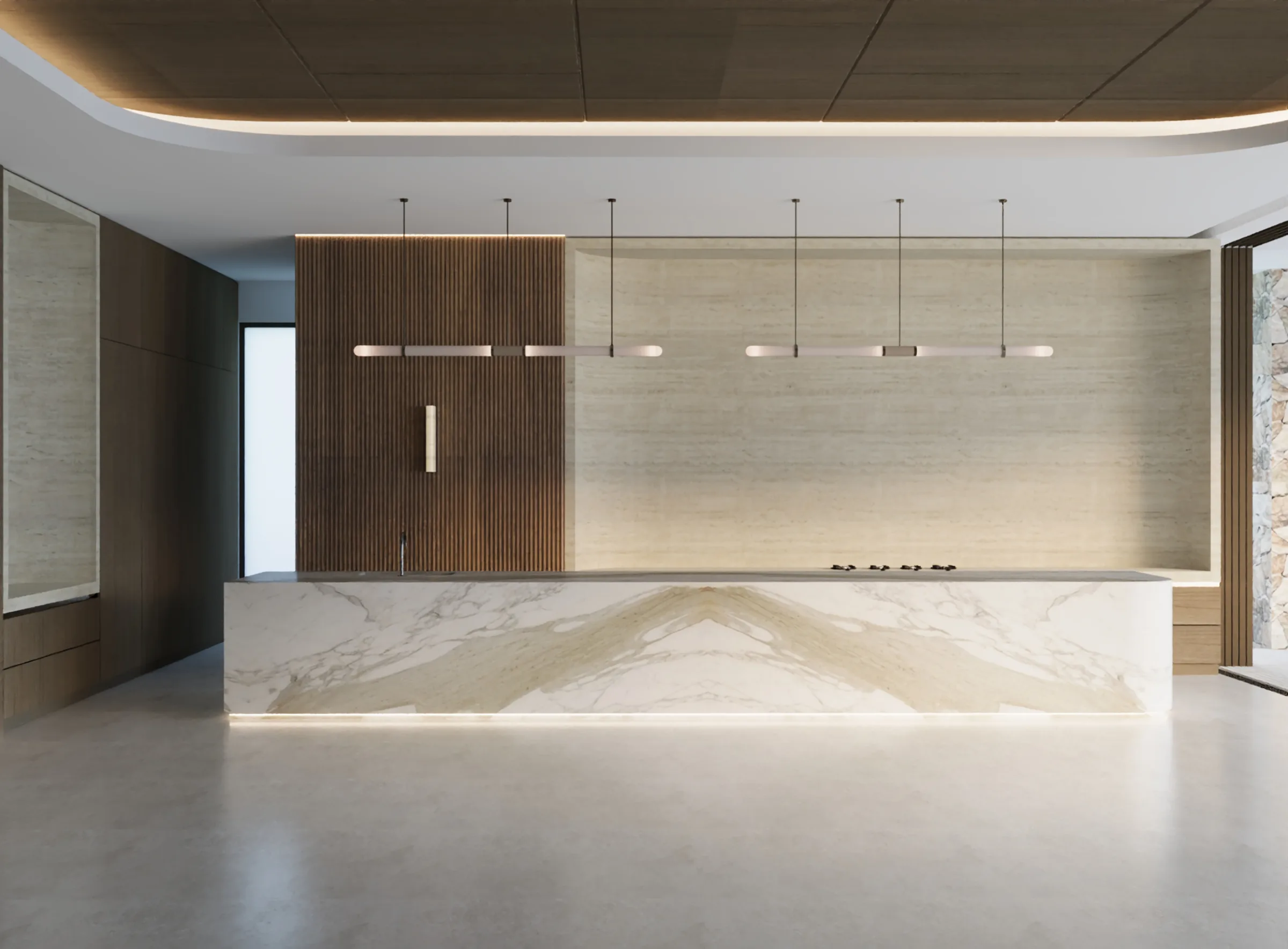
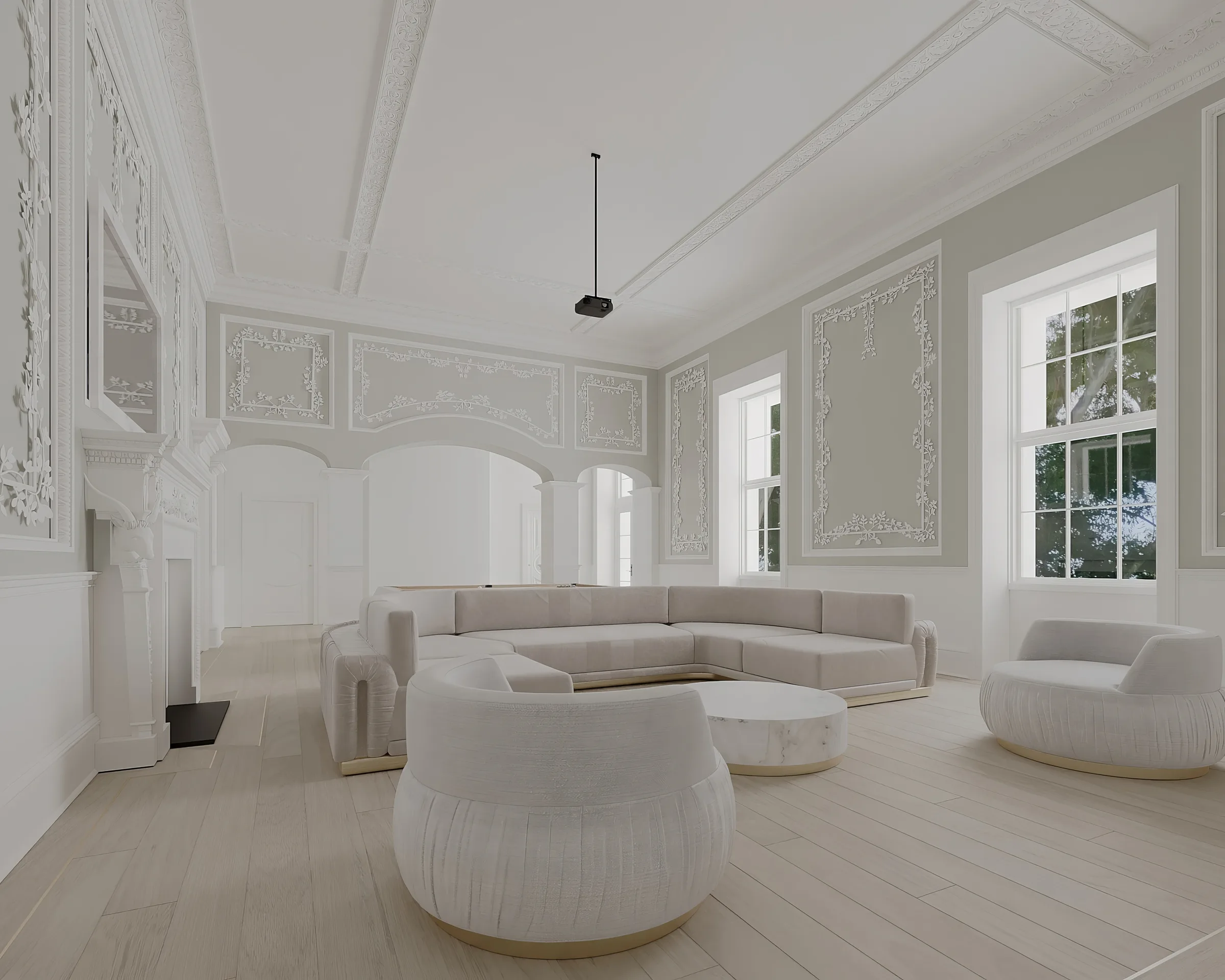
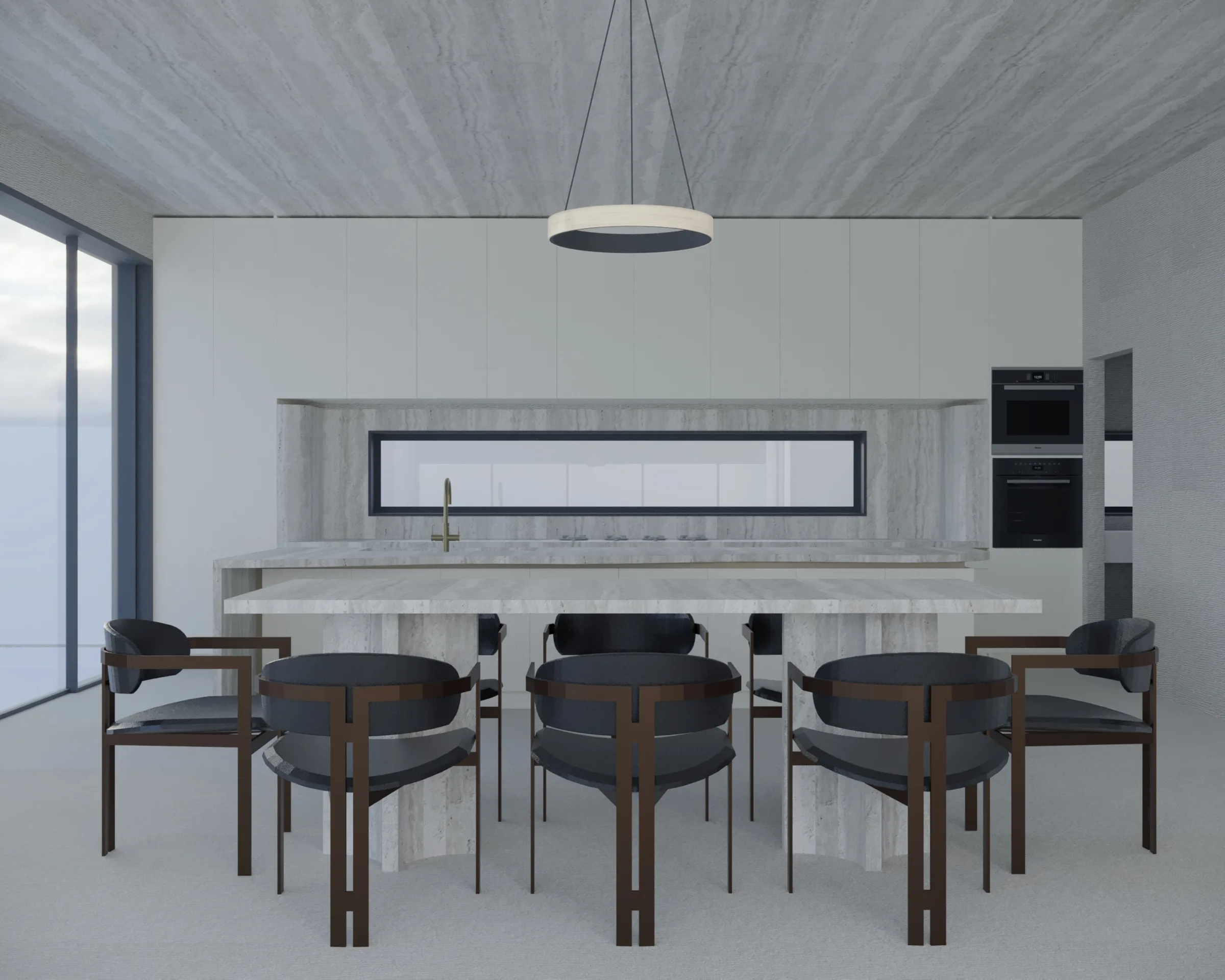
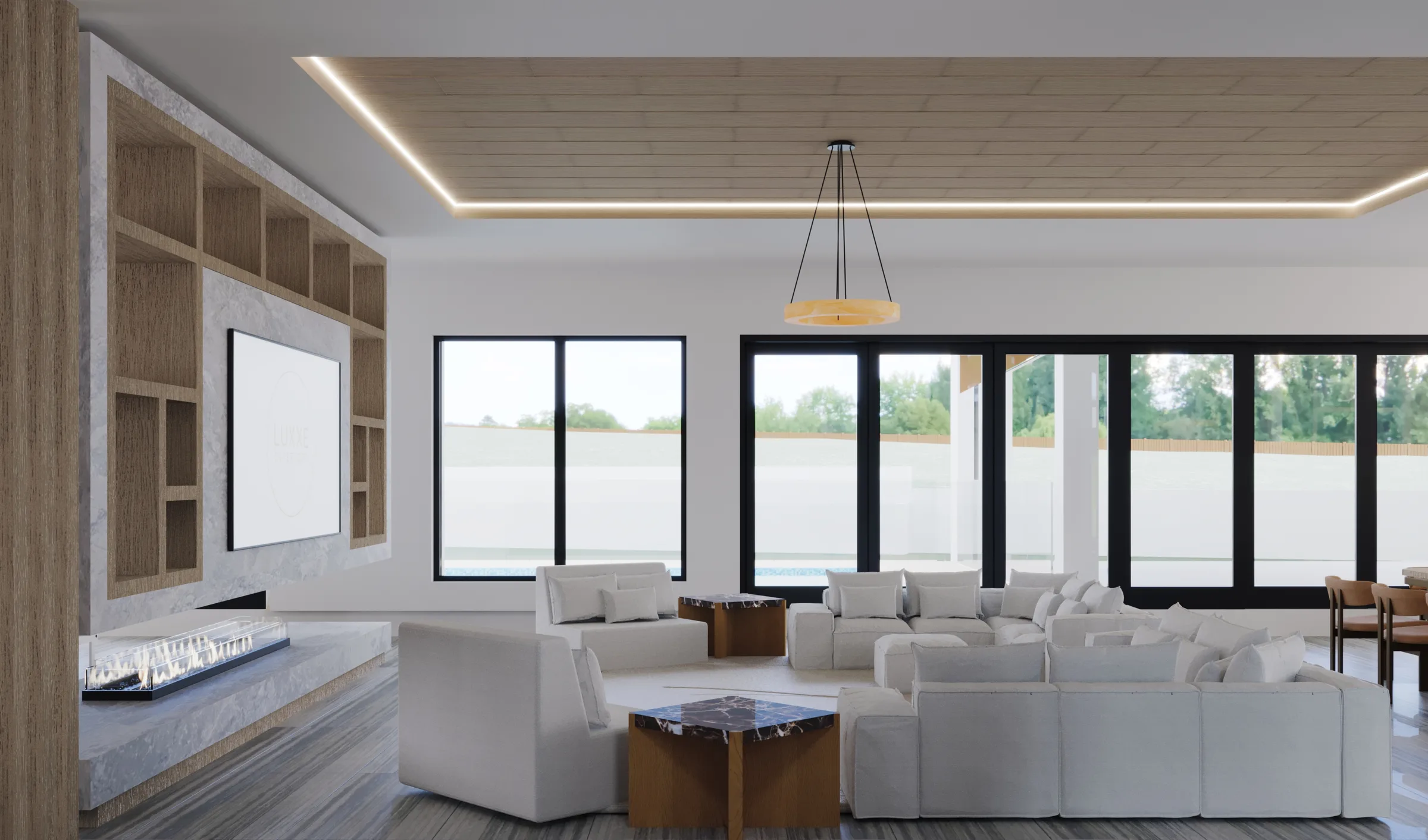
At least three, on separate switches. A single ceiling light flattens a room because every surface receives the same flat wash from the same angle. Designers layer light instead: ambient for overall level, task for what you are doing, and accent for the things worth looking at.
The three layers
Ambient light is the base level: downlights, a pendant, or light bounced off a ceiling. It should be dimmable and it should not be the only thing on at night.
Task light is aimed at what you are doing: under-cabinet strips at a bench, a reading lamp beside a chair, mirror lighting at a vanity that hits the face from both sides rather than from directly above.
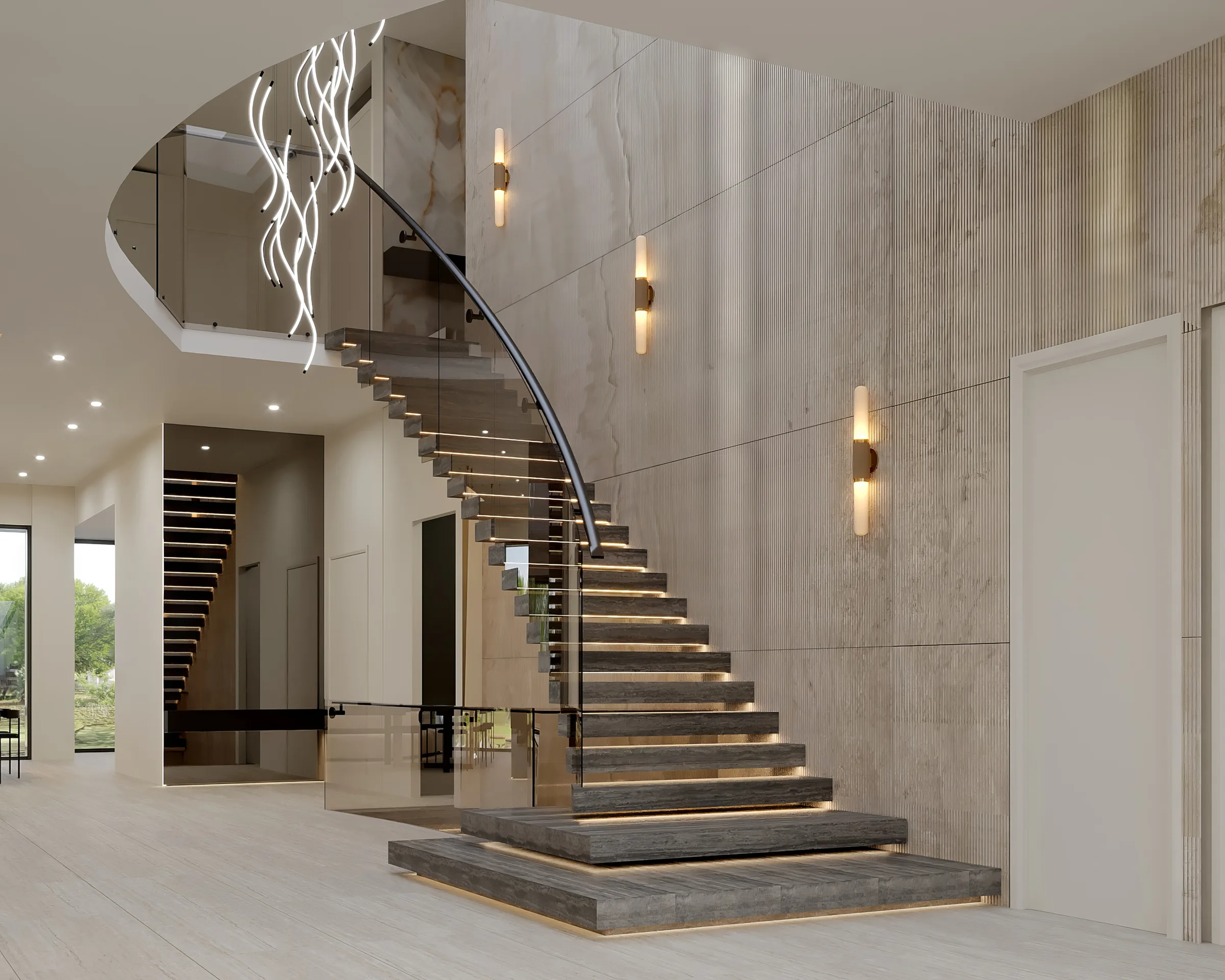
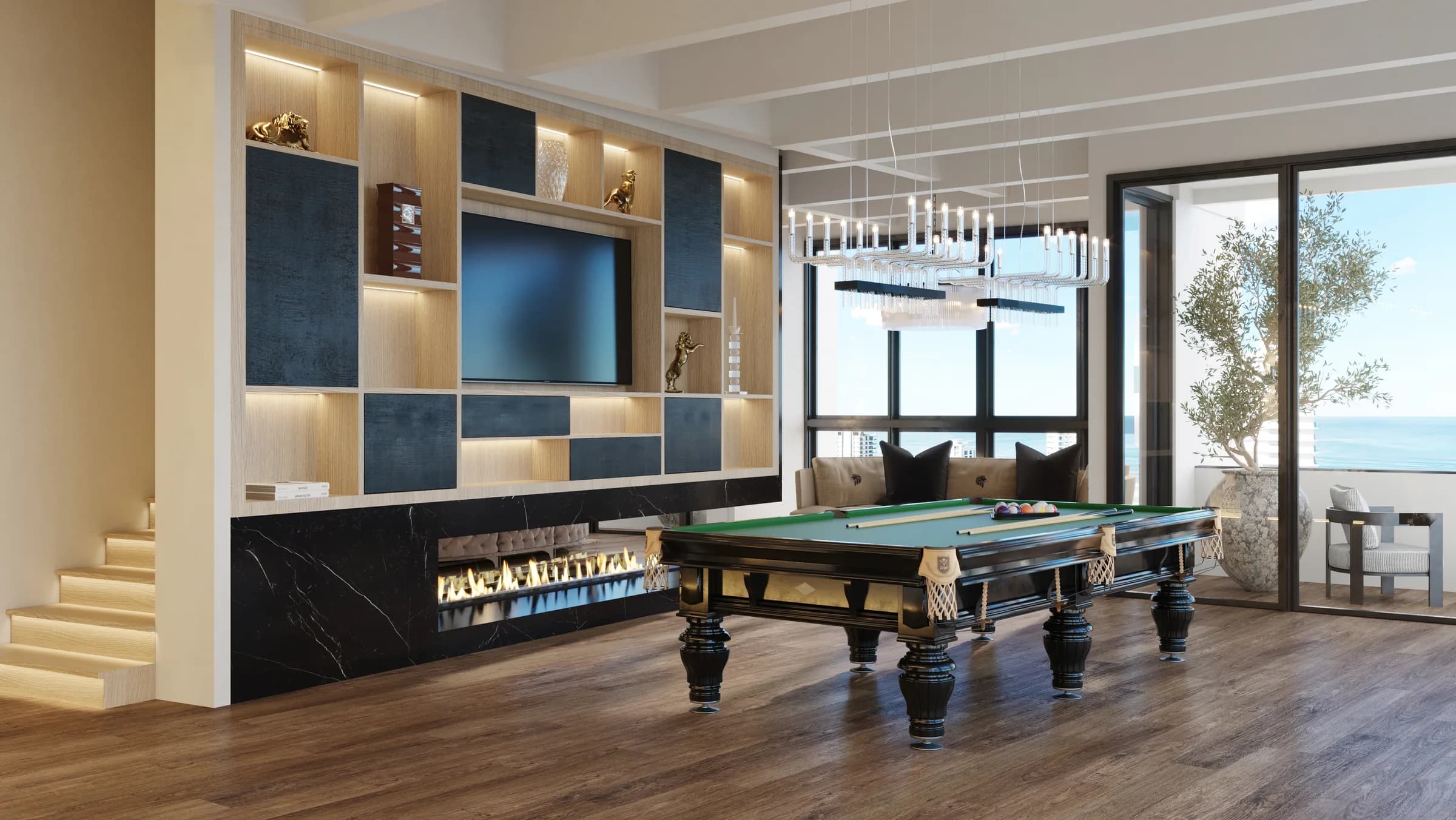
Accent light is what makes a room feel considered. A wall washer on art, a strip inside a shelf, an uplight through a plant. It carries very little of the total light and almost all of the atmosphere.
Why it must be planned before walls close
Lighting is the layer most often left to the electrician, and it is the one that is hardest to fix afterwards. Switch positions, circuit grouping, dimmer types and cable runs all have to be decided before plasterboard. Adding a wall light later means opening a wall.
Colour temperature and dimming
Keep residential lighting warm, around 2700K, and keep it consistent within a room. Mixing warm and cool in one space reads as a mistake even when people cannot name it. Check that the dimming system and the fittings actually agree; a lot of LED flicker is a mismatch between driver and dimmer rather than a faulty lamp.
A quick test
Stand in the room at night and turn on only the ceiling light. If the corners are dark, the ceiling is the brightest surface and faces look tired, the room needs its other two layers.