Can AI replace interior designers?
Last updated
No. AI is very good at producing images of rooms and very poor at everything that happens between a brief and a finished house. It cannot stand in a space, read a slab, hold a supplier to a lead time, or tell you that the render you love will not survive contact with your western sun.
What it is genuinely good at
Early exploration. If you cannot describe the feeling you are after, generating twenty images until one lands is a real shortcut, and it gives a designer something concrete to react to. It is also useful for the parts of design that are language rather than space: summarising a long specification, drafting a room brief, comparing two approaches in writing.
We have no objection to a client arriving with a folder of AI images. It is a mood board. Mood boards have always been useful.
Where it stops
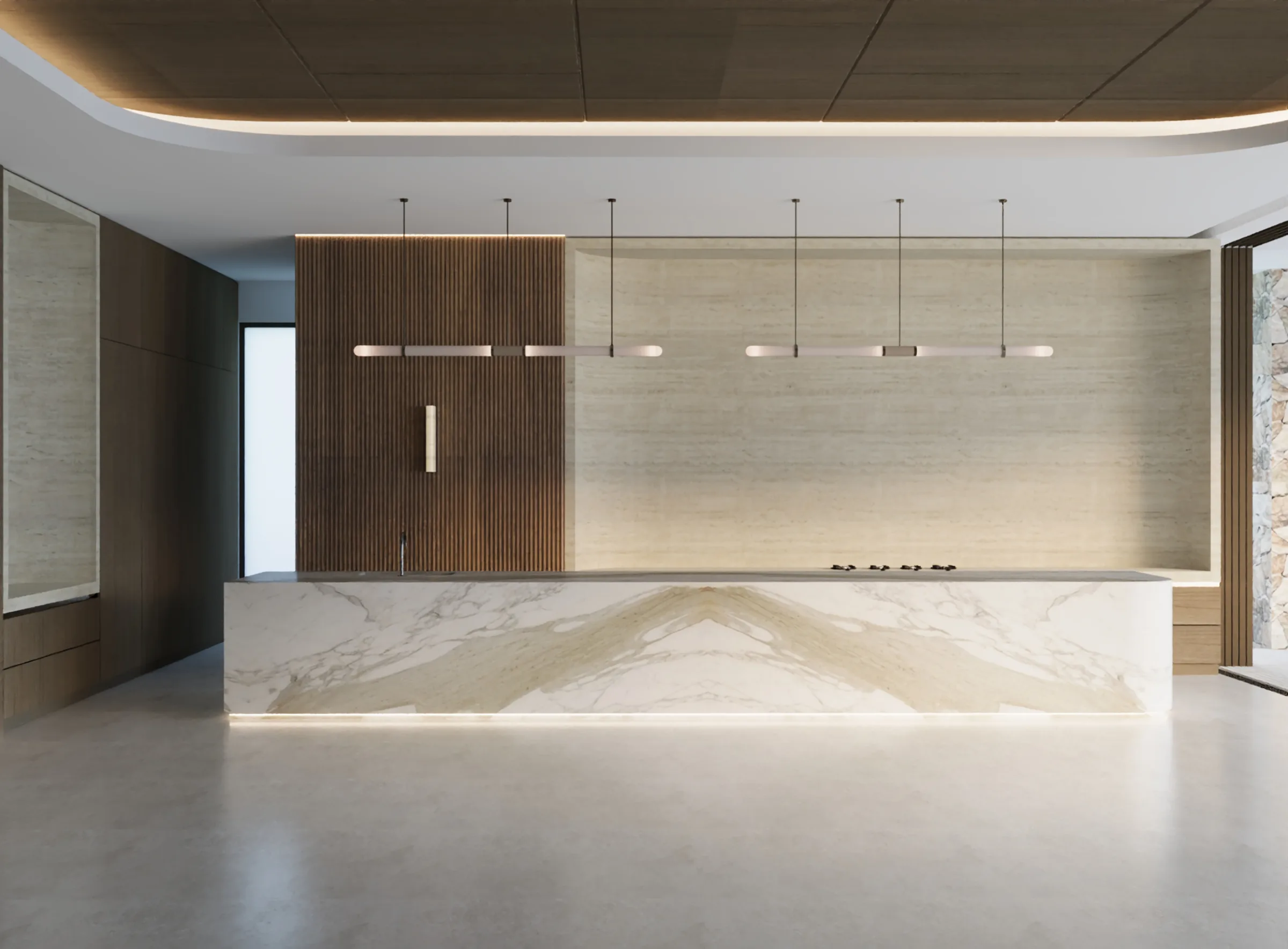
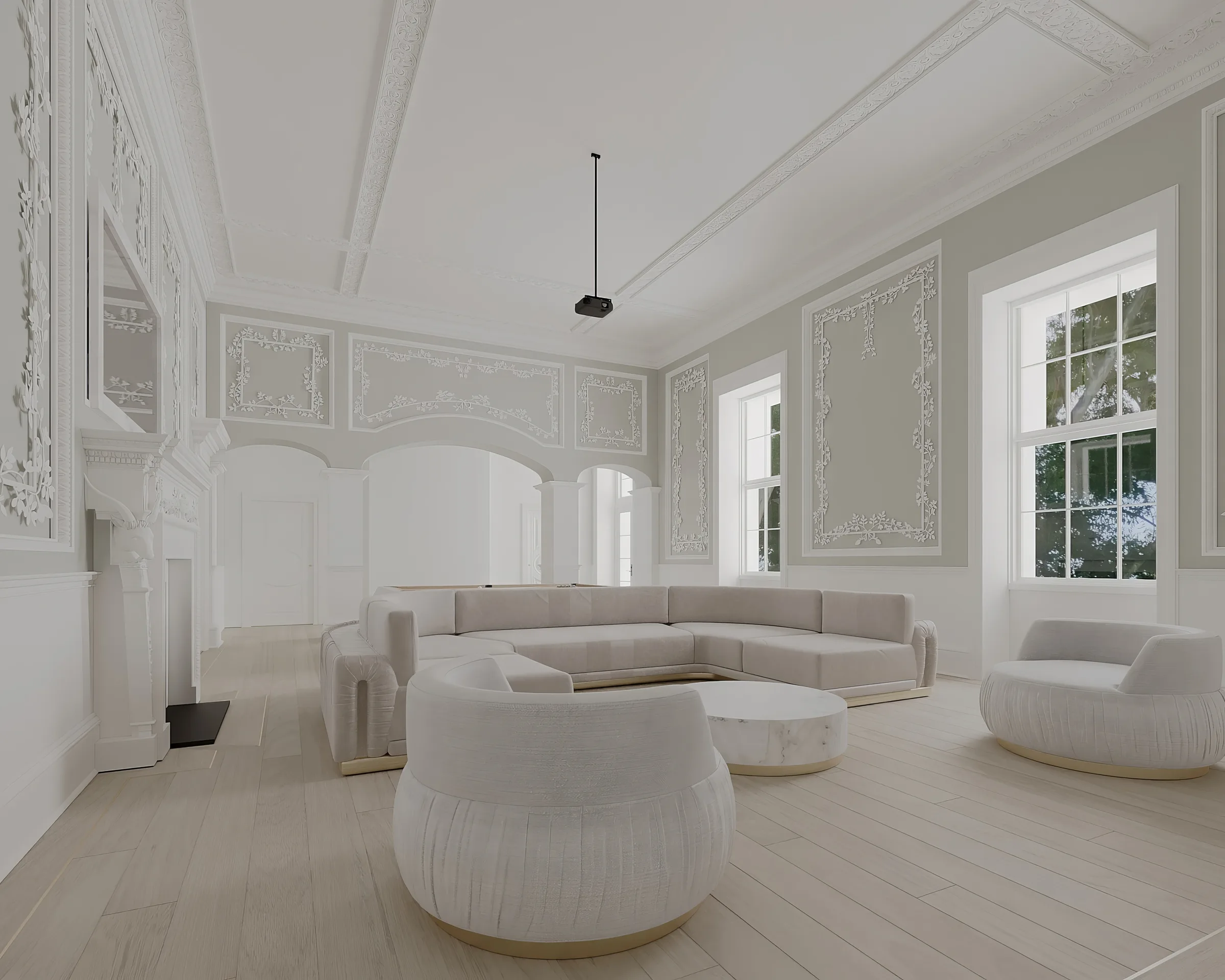
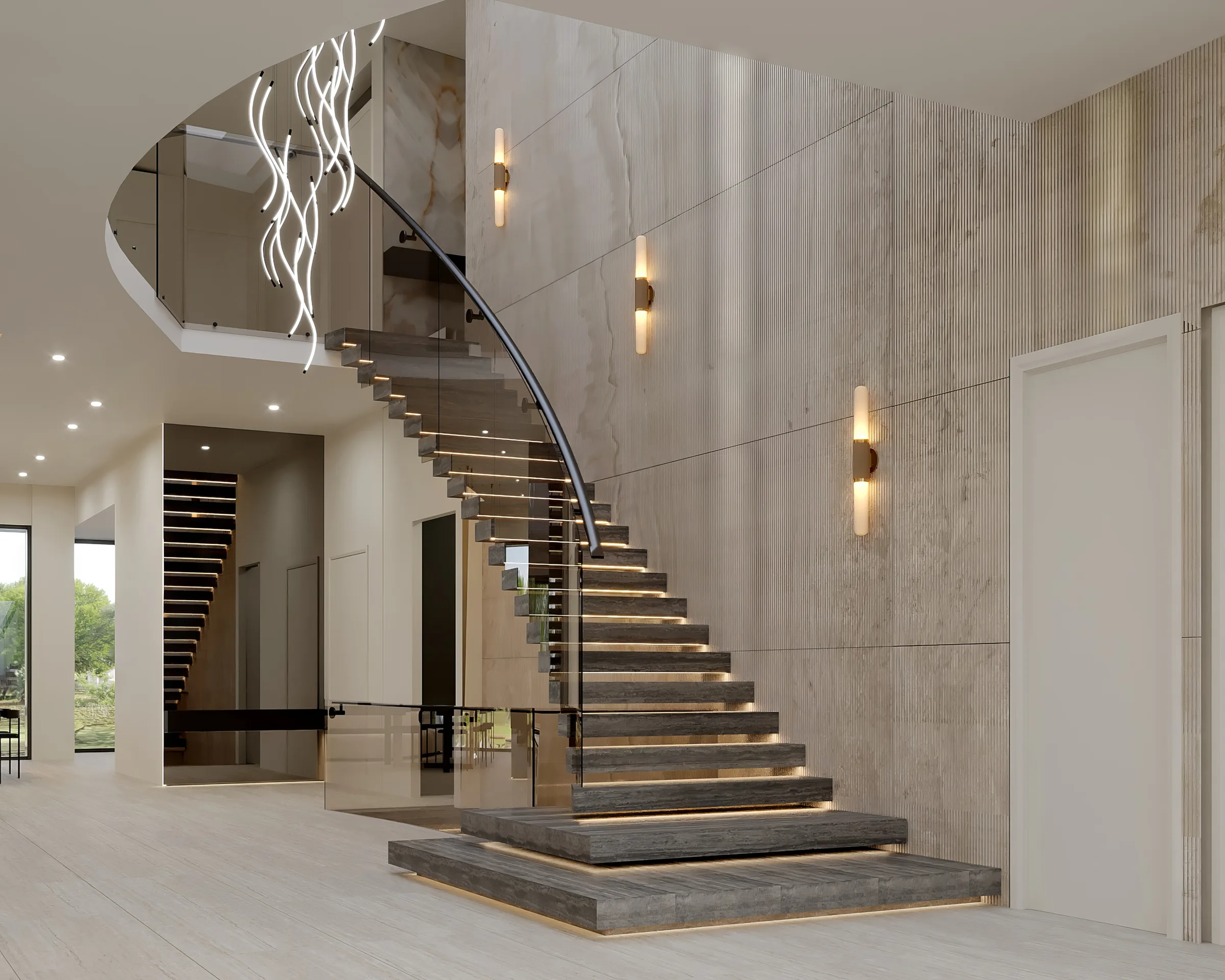
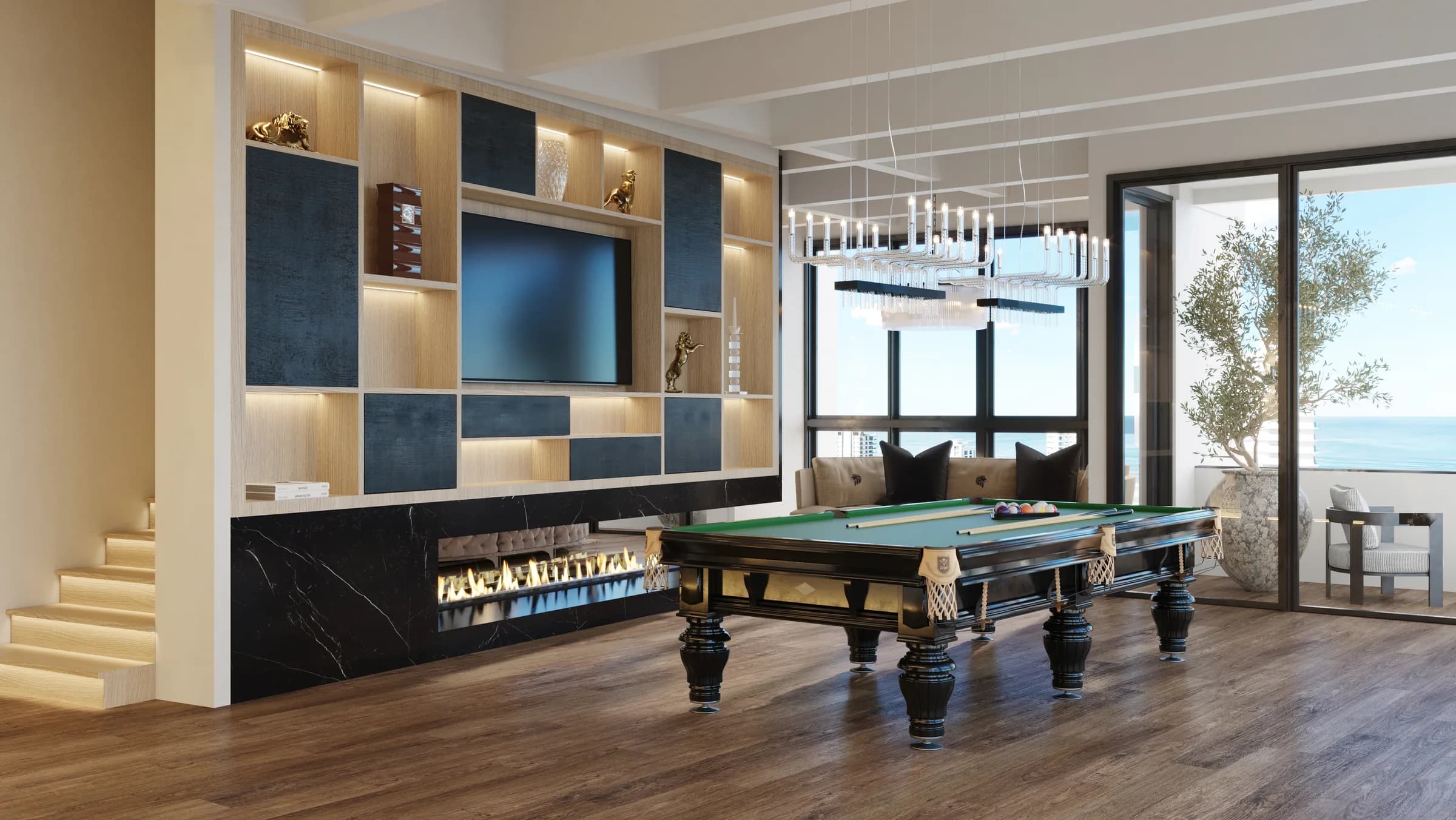
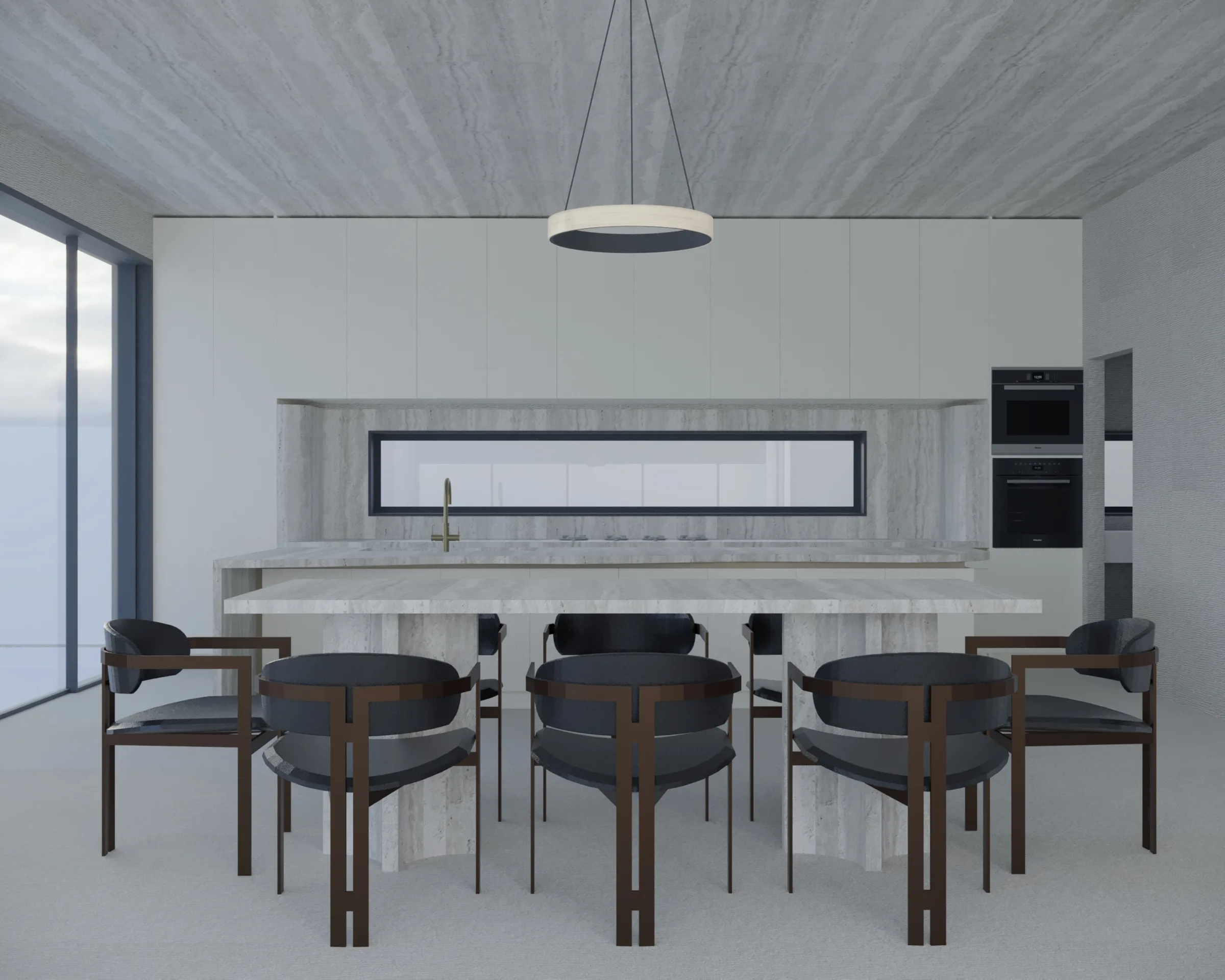
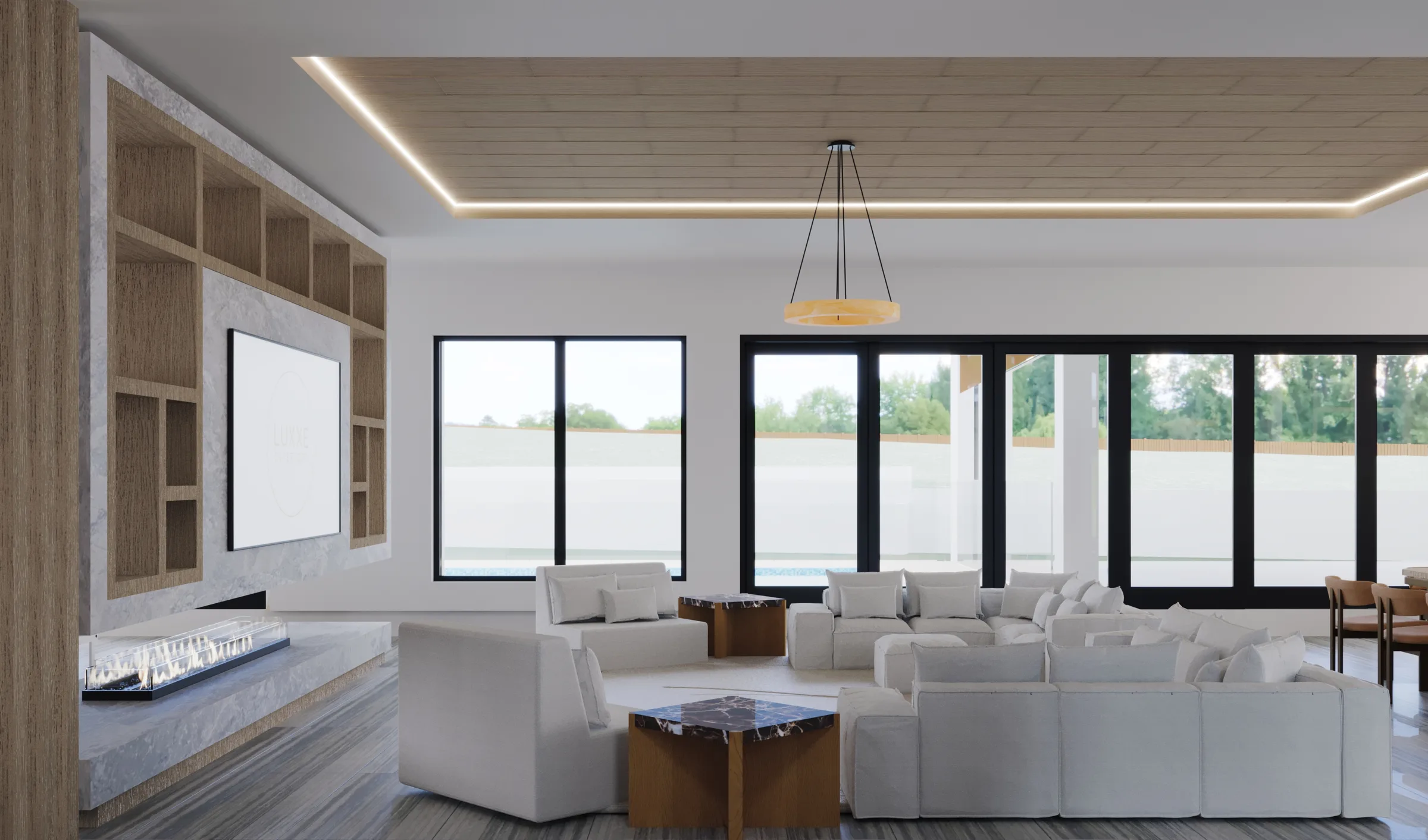
An AI image is not a design. It has no dimensions, no structure, no product behind it. The furniture in it does not exist, the joinery could not be built, and the proportions shift every time you regenerate. None of it can be ordered.
The work that actually consumes a project is the part AI has no access to. Measuring a room that is not square. Knowing which stone yard has the slab, and that there are only four of them. Sequencing joinery so the cabinetmaker is not waiting on the electrician. Standing on site when the tiler has started a pattern in the wrong corner and deciding, that morning, what to do about it.
What it changes
The honest answer is that AI compresses the concept stage and leaves the rest untouched. That is not nothing. The concept stage is where a lot of a client's patience used to go. But the reason a house takes nine months is not that anyone was short of pictures.
The designers who will struggle are the ones whose service was only ever producing images. That was always the thinnest part of the offer.