What is a design brief?
Last updated
A design brief is the written statement of what a project has to achieve: how the house will be used, what it must contain, what it must cost, and when it has to be finished. It describes the problem. It is not the solution, and a brief that already specifies finishes has skipped a step.
What belongs in it
Start with how you live. Who is in the house, how often people stay, where meals actually happen, which rooms will be empty midweek. This is the part that changes plans.
Then function, room by room. What each space must do, what has to be stored in it, what has to fit: a piano, a nine-seat table, a particular painting.
Then constraints. Existing structure, heritage controls, body corporate rules, a partner who will not part with an inherited chair.
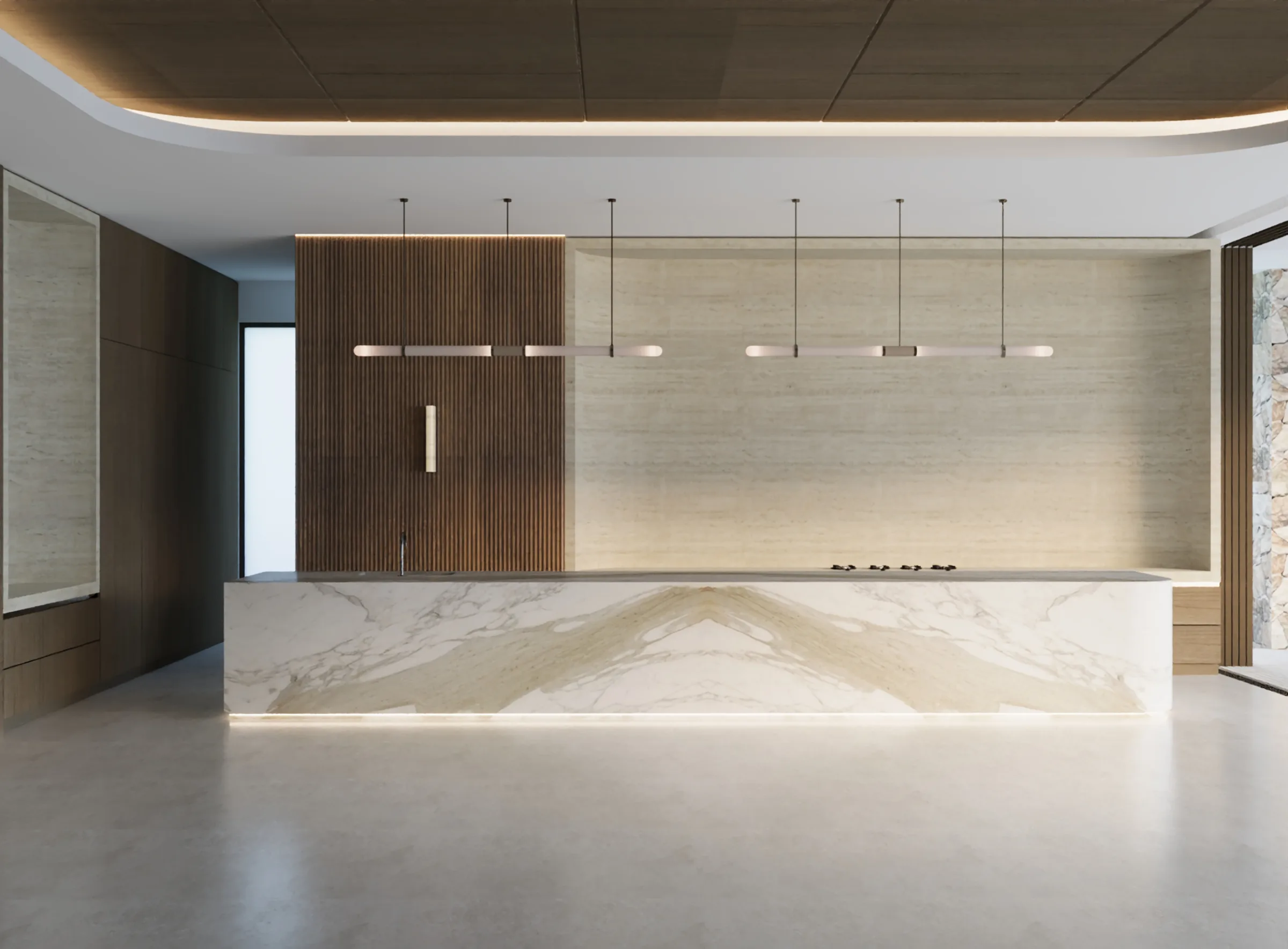
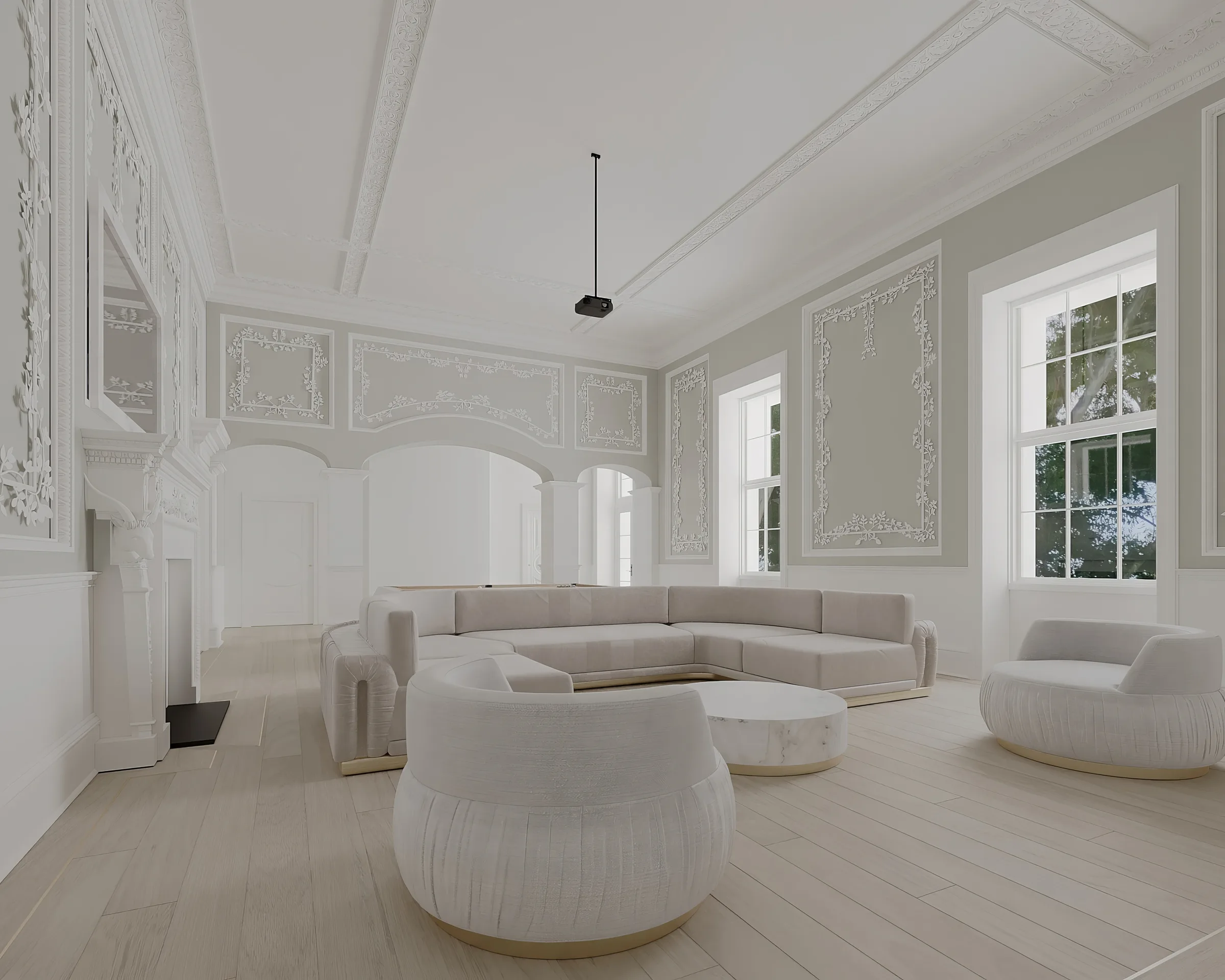
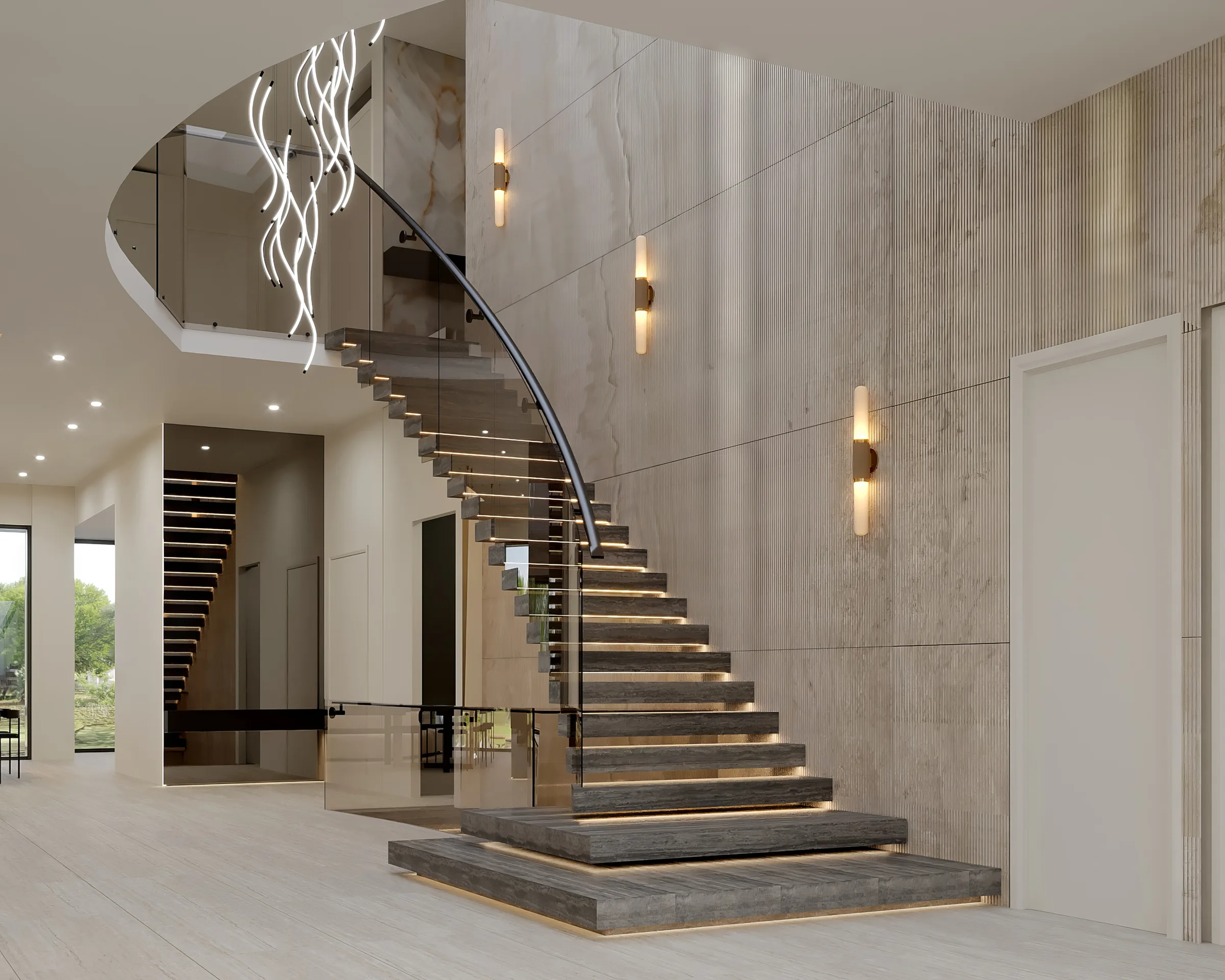
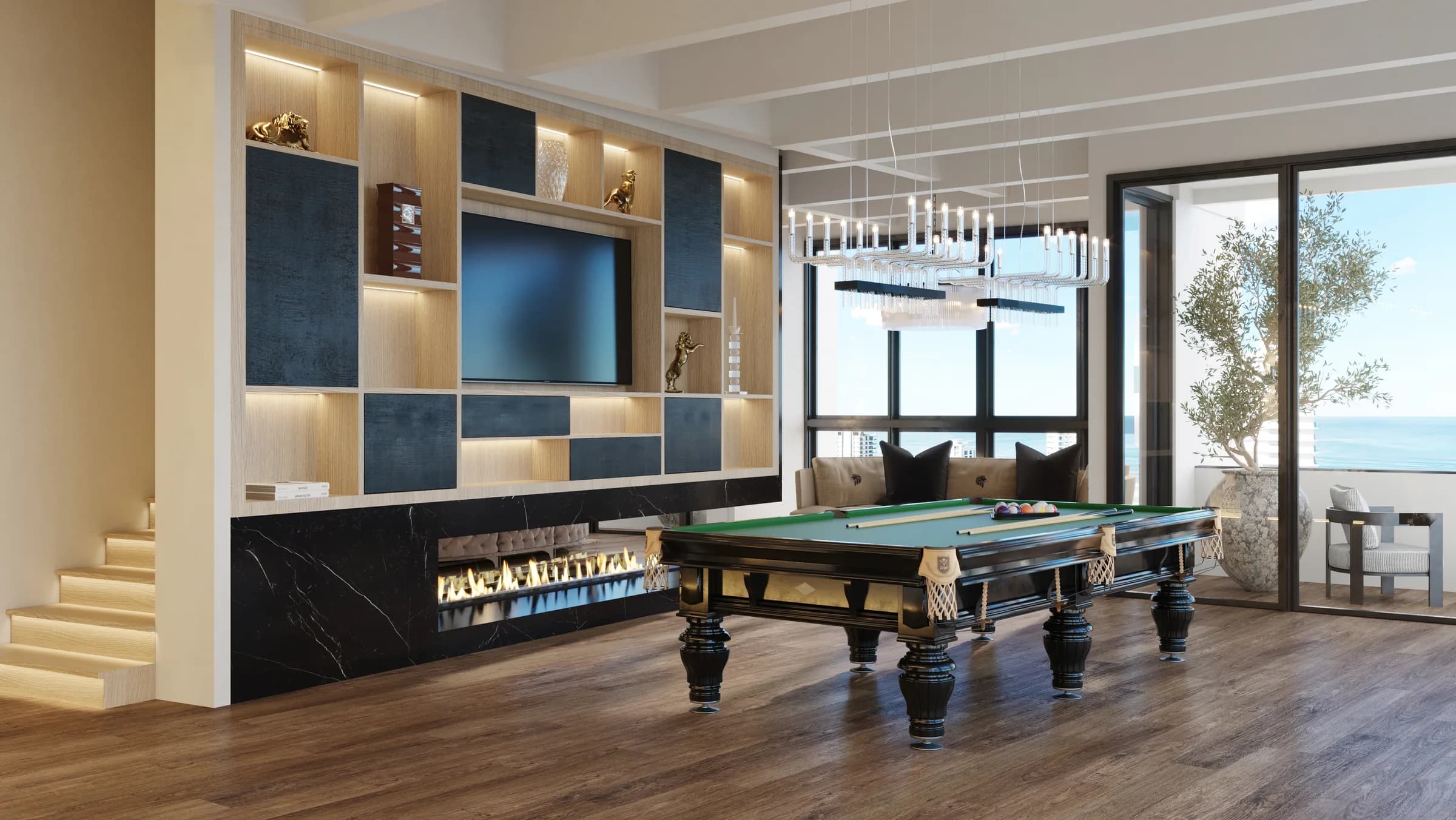
References come last. Images help, but a note on *why* each one is there helps far more. "I like the calm" and "I like the joinery" send a project in opposite directions from the same photograph.
And the budget and programme, in real numbers and real dates.
What to leave out
Specific products, unless they are genuinely fixed. A brief that names a tap has decided an outcome before anyone has looked at the room. Say what it has to do instead.
Why the budget line matters most
A brief without a number is not a brief. It is the constraint every other decision is measured against, and withholding it does not protect you. It guarantees the first concept is aimed at the wrong project, and the second one arrives a month later.
It is allowed to change
Briefs evolve as the plan resolves. What matters is that changes are conscious and written down, not absorbed silently into a scope that quietly doubled.