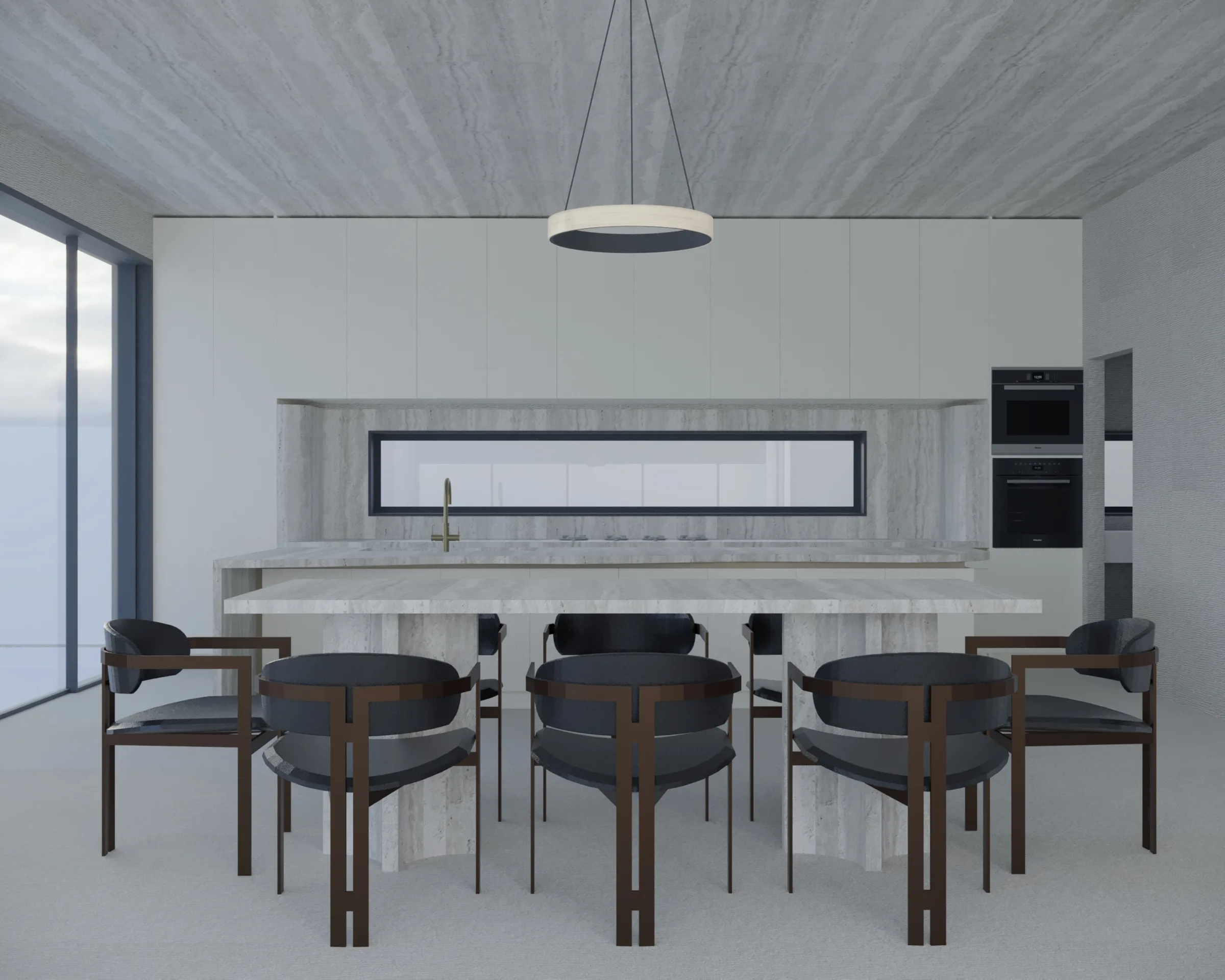
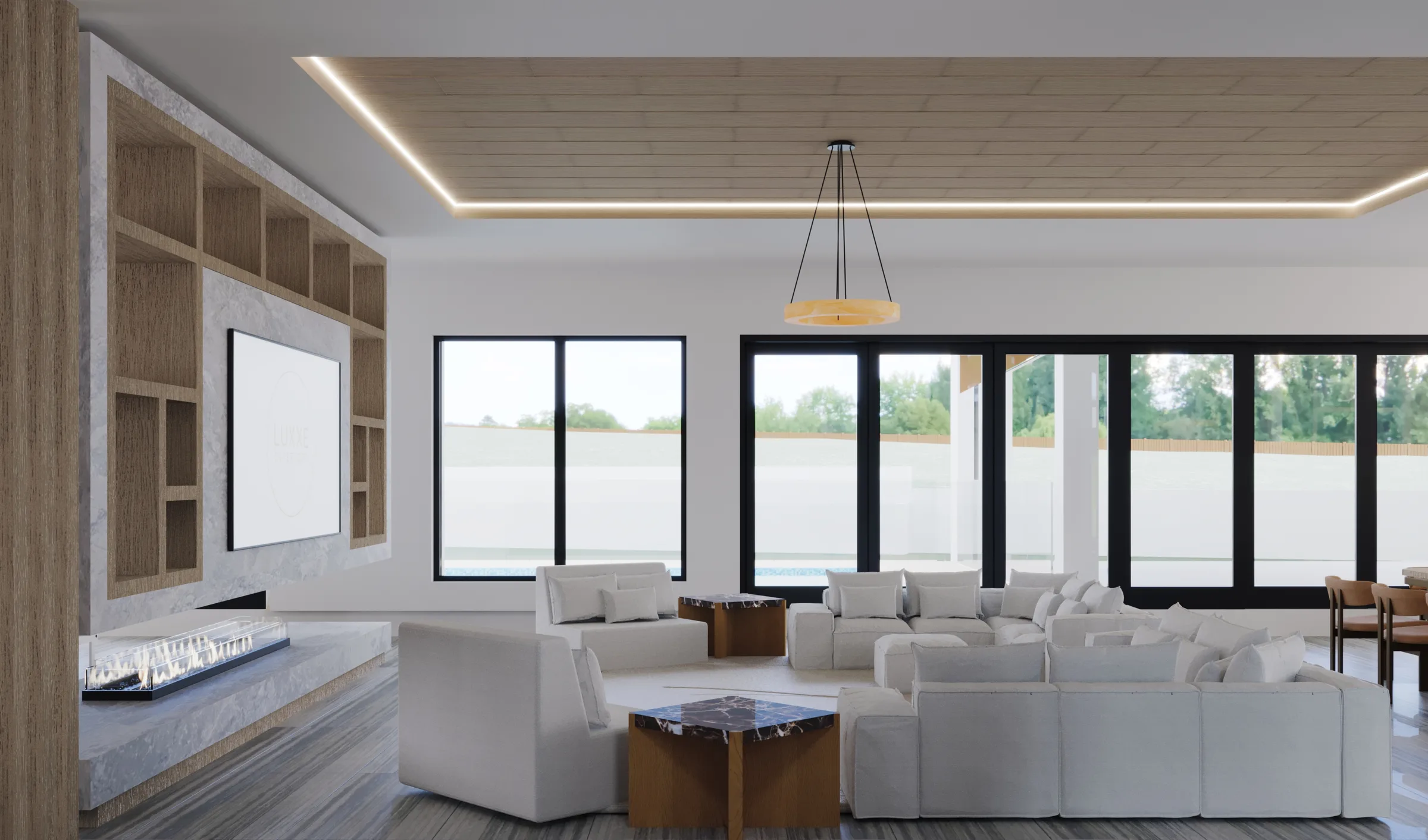
What does a high-end interior designer actually do?
Last updated
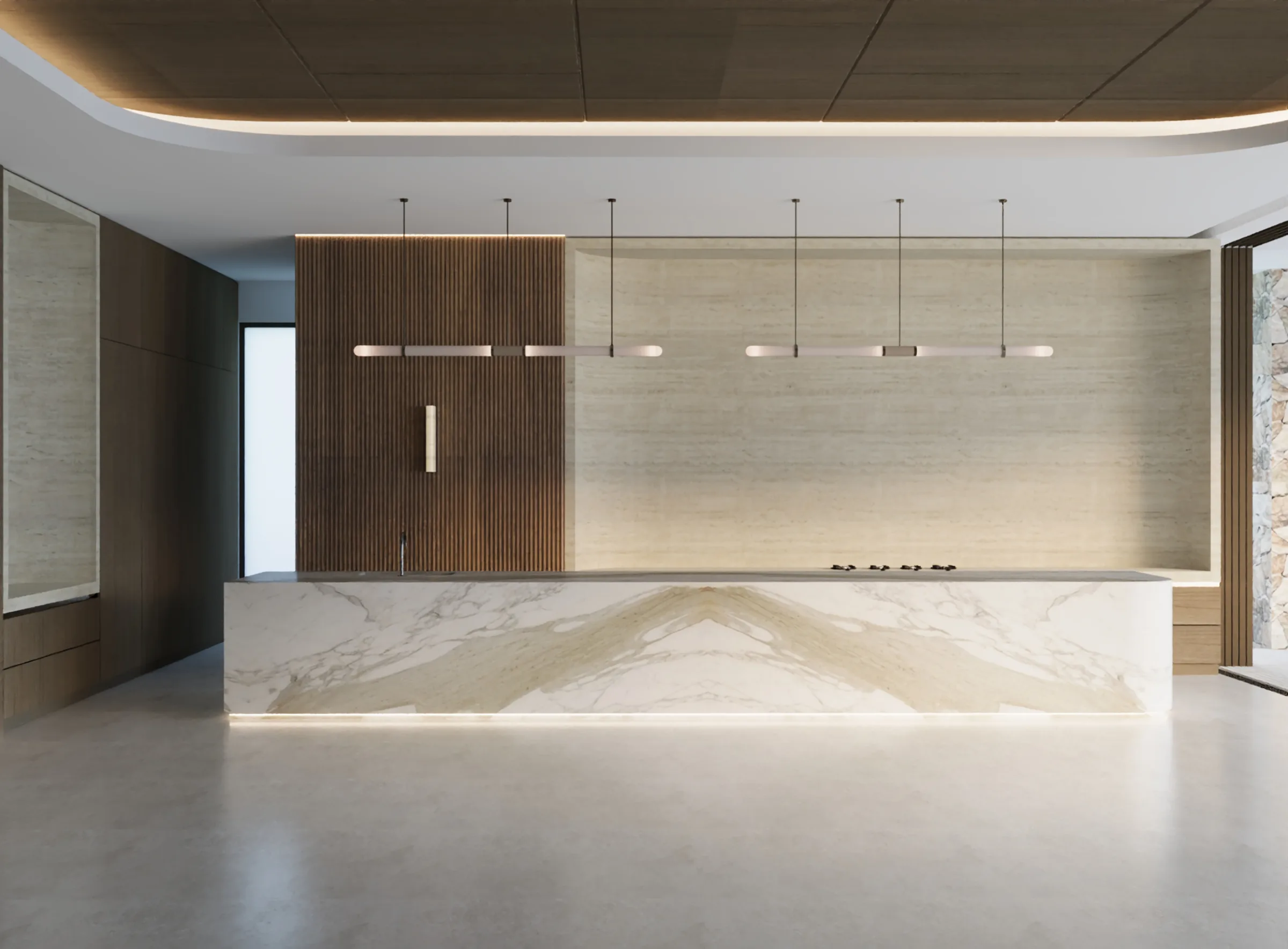
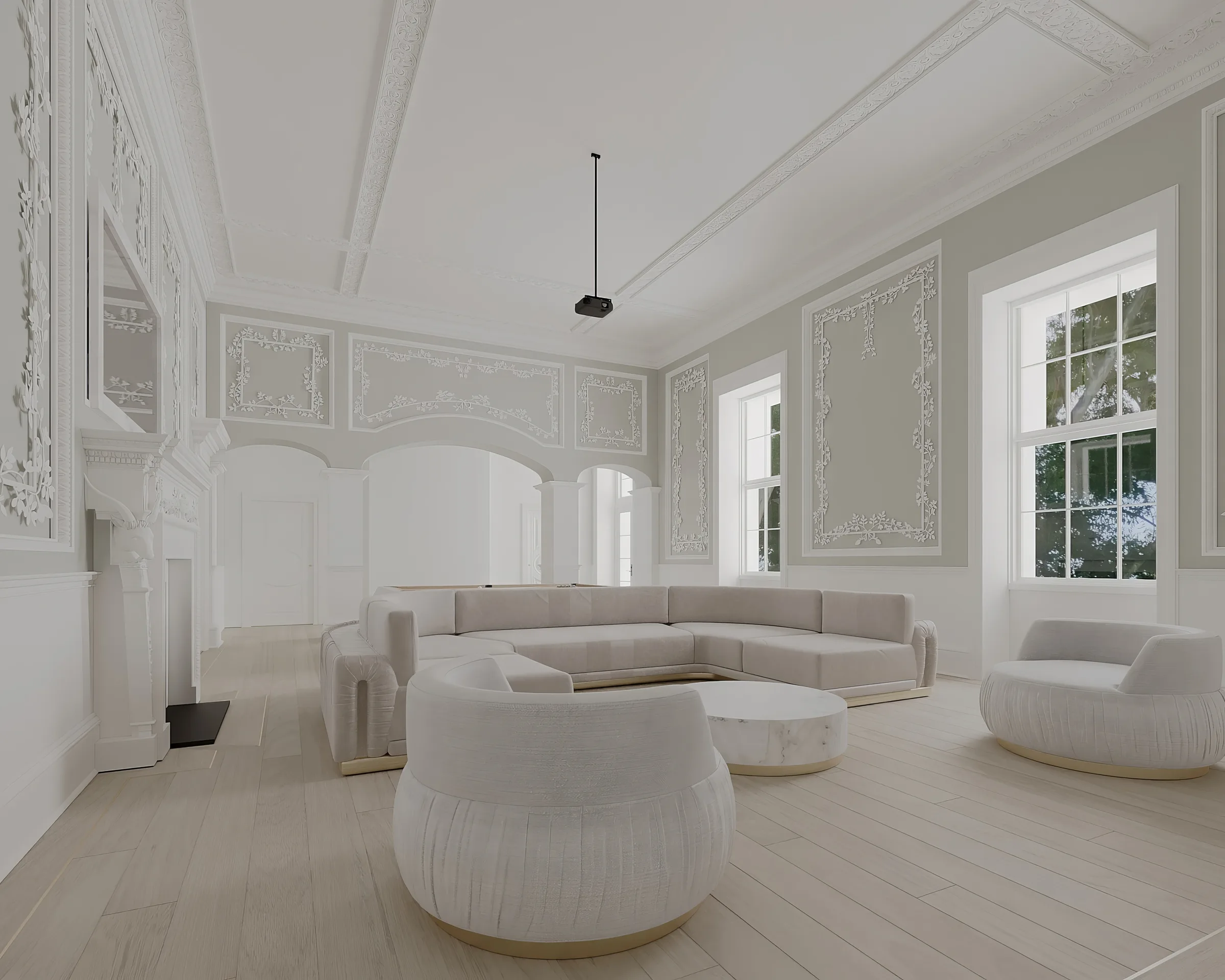
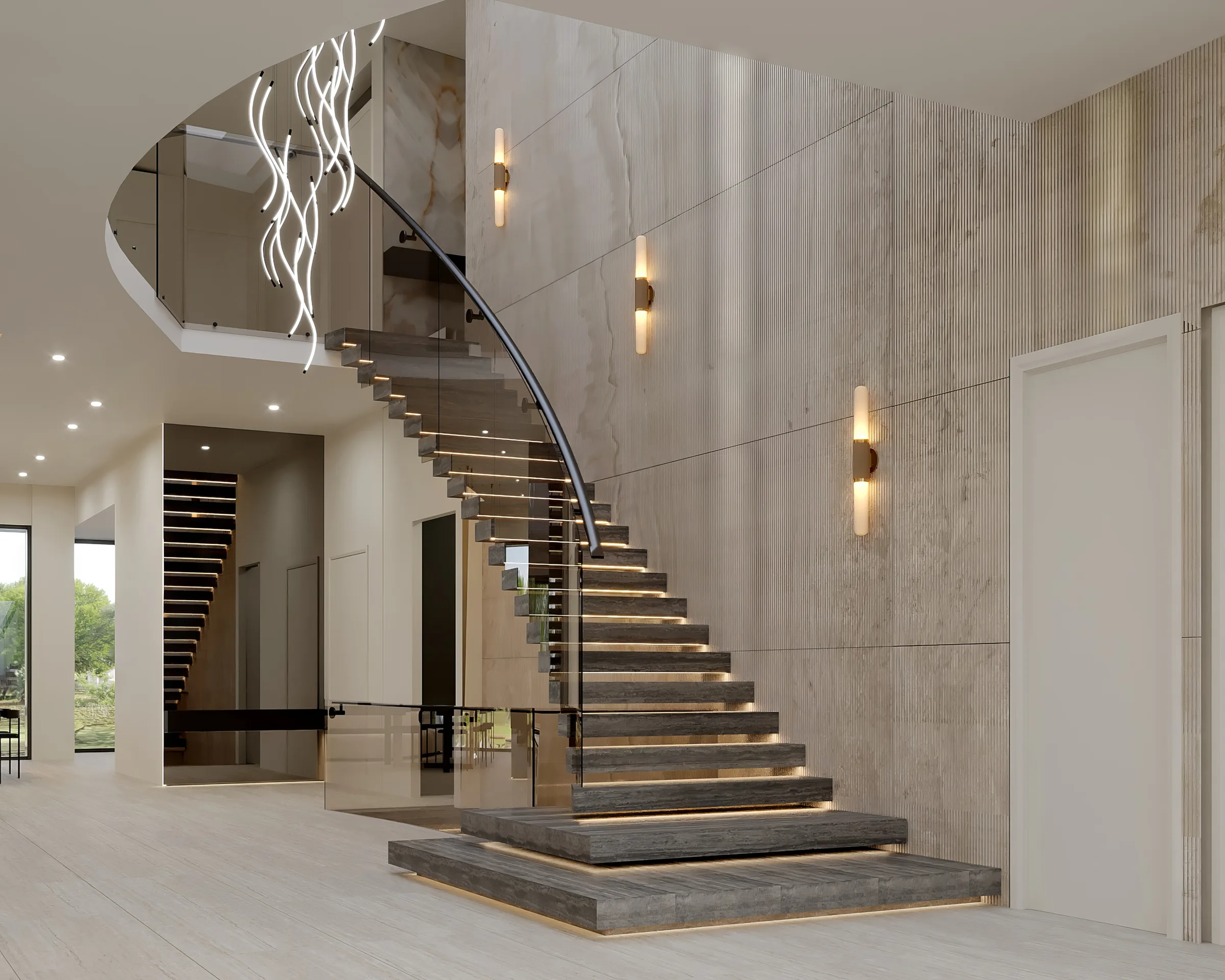
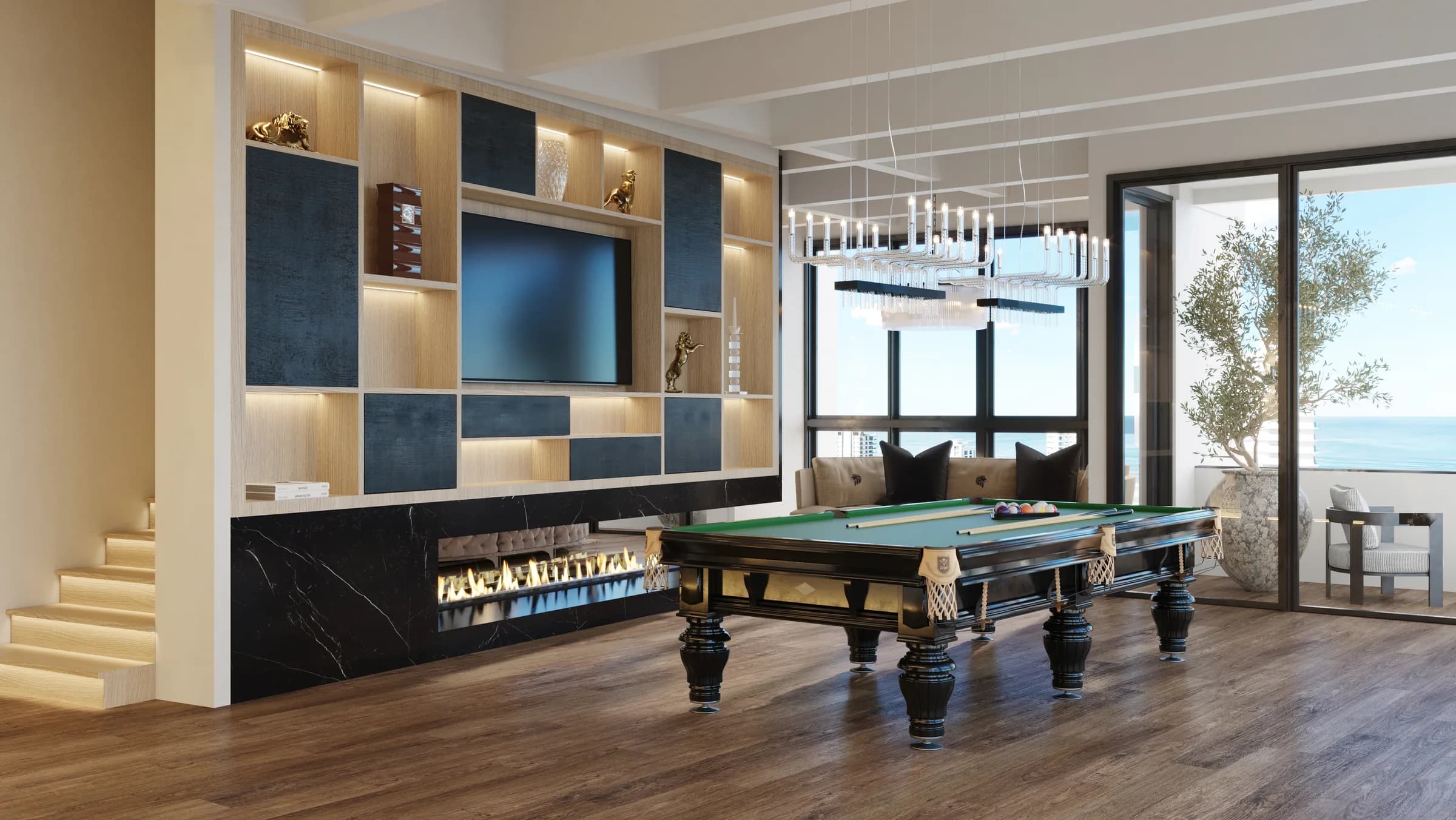
Most of the work is invisible in the finished room. A high-end designer sets the brief, resolves the plan, documents every surface and junction so trades can build it, specifies and procures the pieces, and stays on site while it goes in. Selecting cushions is not the job. It is roughly the last two per cent of it.
The brief
Before anything is drawn, the studio works out how the house is actually going to be lived in. Who cooks. Whether the family eats at the island or the table. How often people stay. Which rooms will be empty most of the week. A house designed for the brief you gave and not the life you lead is the most expensive kind of mistake, and it is very hard to see until you move in.
Resolving the plan
Interior architecture comes before decoration: where walls fall, how light enters, ceiling heights, the width of an opening, where a door swings. This is the layer that decides whether a room feels right, and it is nearly impossible to fix later with furniture.
Documentation
The drawings a builder needs are not the pretty ones. Elevations for every joinery run, setting-out for tile and stone, lighting and switching layouts, tap and waste positions, finishes schedules. This is the bulk of the output and it is what stops a builder making fifty small decisions on your behalf.
Procurement
Specifying a piece is the easy half. The rest is checking the lead time, holding the stock, arranging freight, inspecting on arrival and replacing what turns up damaged. On a full home this runs to hundreds of line items over many months.
Site
Drawings meet reality and reality argues. Someone has to be there when the stone arrives with more movement than the sample, or the ceiling batten lands where the pendant was meant to go.